
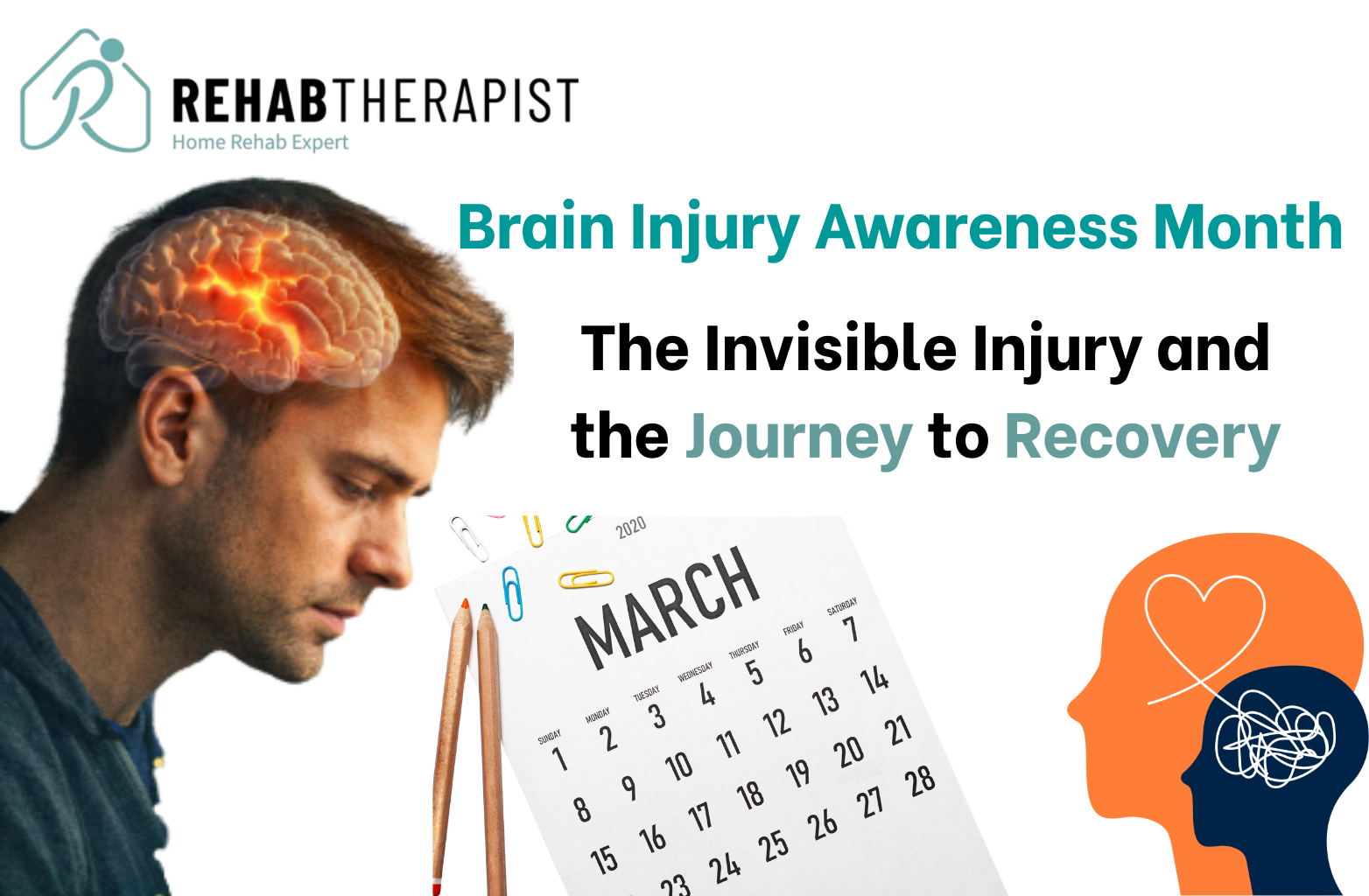
“They said I looked great… but I never was the same.”
This is one of the most frequently used phrases people hear after a brain injury.
No cast. No visible marks.
No obvious clues.
But, the world has changed.
March is Brain Injury Awareness Month but awareness is more than simply recognising the term. It is about understanding what people actually experience, long after they leave hospital.
The Invisible Reality of Brain Injury
A brain injury can not only impact the physical movements. It can affect the way a person thinks about, feels, communicates and lives their daily life.
Many of the issues are not immediately obvious:
- Memory issues and confusion
- A decrease in concentration and mental fatigue
- Balance issues and decreased mobility
- Changes in speech or communications
- Changes in the emotional state, such as anxiety or a low level of confidence
On the outside, a person might appear to be in good health. However, they could be facing important daily struggles. This is the reason brain injuries are often not understood, and that’s why more awareness is crucial.
Returning Home: Where True Recovery Begin
Hospital care provides structure, routine, and continuous support from healthcare professionals.
When someone returns to their home, the structure shifts.
Everyday tasks can be overwhelming:
- Getting in and out of bed safely
- Moving around the home with confidence
- Making meals or taking care of household chores
- Maintaining a routine for the day
This phase can be a bit stressful for both the patient as well as their family. This is also the time when rehabilitation is the most crucial.
Recovery doesn’t stop at discharge. In a lot of cases the process begins at discharge.
Recovery is Not a Straight Line
The recovery process following brain injuries is rarely a predetermined course.
There will be times of improvement, when tasks are easier to complete and confidence increases. There could be days that feel more difficult or even frustrating. This is completely normal.
Rehabilitation is not about instant solutions. It’s about constant regular, systematic progress over the course of time.
Even small achievements can be a sign of significant progress
- Standing alone
- Walking short distances safely
- Doing the everyday chores
- Rebuilding confidence in routines and daily activities
Every step taken forward is a contribution to long-term recovery.
Role of Rehabilitation
Rehabilitation plays an integral part in helping people gain the independence they had after an injury to the brain. It offers the structured assistance that is required by the body and brain to recover and adapt.
The neurological rehabilitation process can assist in:
- Strengthen balance, strength, and coordination
- Bring back mobility, functional autonomy and independence
- Help with cognitive and communication skills
- Reduce the chance of falls and other complications
- Increase confidence in everyday routine
Importantly, rehabilitation should be tailored to the individual. No two recovery journeys are the same, and support should reflect personal goals and circumstances.
How Home-Based Rehabilitation is Effective
For many individuals, home-based neurological physiotherapy offers a more practical and effective approach to recovery.
The home-based rehabilitation program allows therapy to be conducted in a familiar setting, where life goes on.
This strategy could be:
- Practice real-world tasks
- Be prepared for anxiety that comes with unfamiliar environments
- Give one-to-one, personalized care
- Concentrate on the most important and practical objectives
- Increase long-term independence and trust
When working in the home rehab becomes more applicable to daily living.
A Personal Method to Recover
At RehabTherapist rehabilitation is centred around the individual, not just the condition.
Every person’s experience with brain injuries is unique. Their recovery should reflect that.
Support usually includes:
- Programmes for physiotherapy that are individualised
- Specialized rehabilitation for neurological disorders
- Mobility and balance training
- Functional rehabilitation to help with everyday tasks
- Support for ongoing needs of families and individuals
The objective is to provide organized professional assistance as individuals gain confidence and autonomy within their home environment.
The impact on families and Caregivers
Brain injuries affect more than just the person. Family members and caregivers are often an essential role in helping the healing process.
It could involve physical help or emotional support as well as changing routines. This may also cause anxiety and anxiety.
Access to a professional rehabilitation service offers guidance, comfort, and a better framework to manage rehabilitation at home. This also makes families feel more at ease and confident in their responsibilities.
Frequently asked questions
What is Brain Injury Awareness Month?
“Brain Injury Awareness Month” is celebrated in March. It focuses on increasing public awareness of head injuries and their long-term consequences and the importance of rehabilitation.
Can anyone fully recover from brain injuries?
Recovery varies depending on the severity and type of injury. Many people make significant progress with appropriate rehabilitation, although some may experience ongoing challenges.
Why is physiotherapy so important following an injury to the brain?
Physiotherapy aids recovery by improving mobility, balance and strength. It can also help individuals gain the confidence and independence they need to perform everyday routines.
Can home physiotherapy be used to help recover from brain injuries?
Physiotherapy that is done at home can be extremely efficient as it enables people to practice real-world tasks in a comfortable environment, which makes rehabilitation more effective and practical.
Recovery That Deserves To Be Seen
The Brain Injury Awareness Month aims to promote the public to gain a better knowledge of what recovery actually is.
There are many injuries that aren’t obvious, but the effort that is required for recovery is huge. Every step forward, no matter how small, it is a sign of improvement.
With the right support, individuals can rebuild their independence and improve their quality of life over time.
At Rehab Therapist rehabilitation is delivered with a structured, personalised approach, helping individuals navigate their recovery with confidence and professional guidance.
Start with the First Step
If you or someone close to you suffers from the consequences caused by a brain trauma, help is accessible.
Visit RehabTherapist to find out more about the specialised neurological rehabilitation and how personalised, at-home physical therapy can help you on your recovery.
