
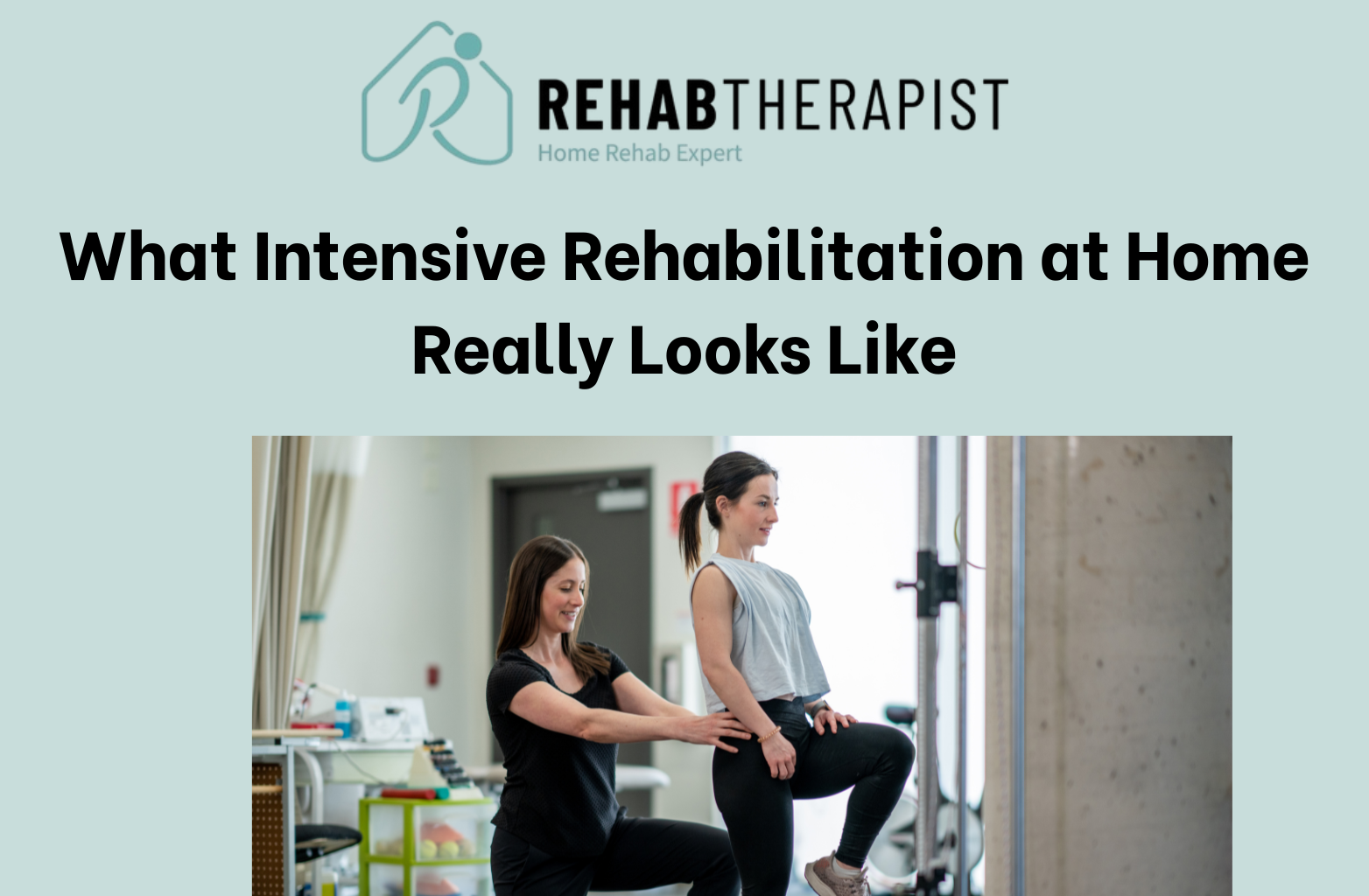
When they hear the word intensive rehabilitation at home people often think of lengthy sessions or rigid routines. In actuality, it’s more structured, personalised and focused on making meaningful improvements.
For individuals recovering from neurological conditions, surgery, or serious illness, high intensity rehabilitation at home can offer a level of care that goes beyond standard physiotherapy–without the need to stay in a clinic or hospital.
What exactly does it include, and who do they serve?
What Is Intensive Rehabilitation at Home?
Intensive rehabilitation at home is a program that is structured of regular, goal-oriented therapy that is delivered in your home surroundings.
In contrast to occasional sessions, this strategy includes:
- Multiple sessions per week
- A clear, progressive treatment plan
- Monitoring and adjustments that are closely monitored
- A major concentration on recovery from functional impairment
It is frequently called the specialist in intensive rehabilitation in particular when provided by highly skilled neurological physiotherapists.
Who Needs Intensive Rehabilitation?
This kind of treatment is not designed for minor injuries. It is designed for people who require a greater focus and constant assistance.
Neurological Conditions
Intense neuro rehab from home is typically used for:
- Recovery from stroke
- Rehabilitation from brain injury
- Parkinson’s disease
- MS (MS)
They often require consistency, repetition, and ongoing input to ensure an improvement in the quality of life.
Post-Hospital or Critical Illness Recovery
Following a lengthy hospitalisation Many people suffer from:
- Severe weakness
- Mobility is reduced
- Loss of independence
High-intensity rehab at home aids in strengthening and improving daily functioning.
Complex Mobility Challenges
For individuals struggling with walking, balance, or transfers, intensive therapy can accelerate recovery and improve safety
What Does a Typical Programme Look Like?
A specially designed intensive rehabilitation program is meticulously designed around the person.
Initial Assessment
The physiotherapist will begin with a thorough evaluation:
- Strength and mobility of the present
- Functional limitations
- Personal goals
This allows you to create a custom program rather than the generic routine.
Frequent, Structured Sessions
In contrast to standard physiotherapy, these sessions are more frequent and often occur several times every week.
Each session could consist of:
- Training for strength and mobility
- Exercises for coordination and balance
- Mobility and walking exercises
- Specific tasks (e.g. stairs, transfers)
The emphasis is always on actual-life application, not isolated exercises.
Progressive Goal Setting
It is reviewed on a regular basis The goals are reviewed regularly, and they are being adjusted when recovery improves.
For instance:
- Transitioning between assisted and walking independently
- Improved endurance for daily routine
- Building confidence at home
This progression of steps step-by-step is the reason for the high intensity rehabilitation at home successful.
Real-Life Functional Training
One of the greatest benefits of home-based rehabilitation is the fact that therapy can take place wherever it’s needed.
This includes practicing:
- Getting in and out of bed
- Using stairs safely
- Moving around your home
This allows improvements to be more sustainable and practical.
Benefits of Intensive Rehabilitation at Home
The advantages of physiotherapy in the home get more obvious when you take a more intensive method.
1. Faster Functional Progress
When they attend more sessions, patients usually notice faster improvements in mobility, strength, and self-confidence.
2. Personalised and Consistent Care
Every session builds on the previous one, creating a structured and consistent recovery journey.
3. Reduced Hospital or Clinic Visits
There’s no reason to repeat trips, which is beneficial for people with limited mobility.
4. Greater Confidence at Home
Training in a familiar setting helps to reduce anxiety and boost confidence.
5. Family and Carer Involvement
Family members can participate in exercises and know how to help in a safe manner.
Is High Intensity Rehabilitation at Home Effective?
Yes, especially for complex neurological illnesses.
Experience and research show that consistency and repetition are essential to regaining your health. Intensive neuro rehab at home allows for:
- Regularly scheduled exercise
- Instant feedback
- Response to real-world issues
This makes therapy more relevant compared to occasional clinic sessions.
When Is It the Right Choice?
Specialist intensive rehabilitation is the best option when:
- Recovery must be accelerated
- Mobility is greatly affected
- Independence has been weakened
- A continuous neurological care program is essential.
It may not be necessary for minor injuries, but for complex conditions, it can make a significant difference.
How Rehab Therapist Delivers Intensive Rehabilitation
In Rehab Therapist, intensive rehabilitation at home is based on real-world recovery.
The approach they employ includes:
- Specialised in neurological physiotherapy
- High-frequency, structured sessions
- Progress based on goals
- Functional training within your personal setting
It’s intense neuro rehabilitation within the comfort of house or post-hospital recovery. The primary focus is helping people regain their independence safely and with confidence.
Final Thoughts
So, what exactly is intensive home rehabilitation actually like?
It’s not all about having sessions, but it’s about being smarter, structured, organised, and more effective therapy that is consistently delivered.
For people who have suffered from serious illnesses, high intensity rehabilitation at home provides:
- Individualised care
- Practical improvements
- A clear path to independence
Therapy that is built around your lifestyle, not a schedule at the clinic, recovery is easier to achieve.
Ready to Take the Next Step?
If you’re thinking of an intensive rehabilitation program that is specialised for your needs in the UK, Rehab Therapist provides professional-led, tailored care to meet your requirements, right at home.
Since real recovery takes place where life takes place.
