
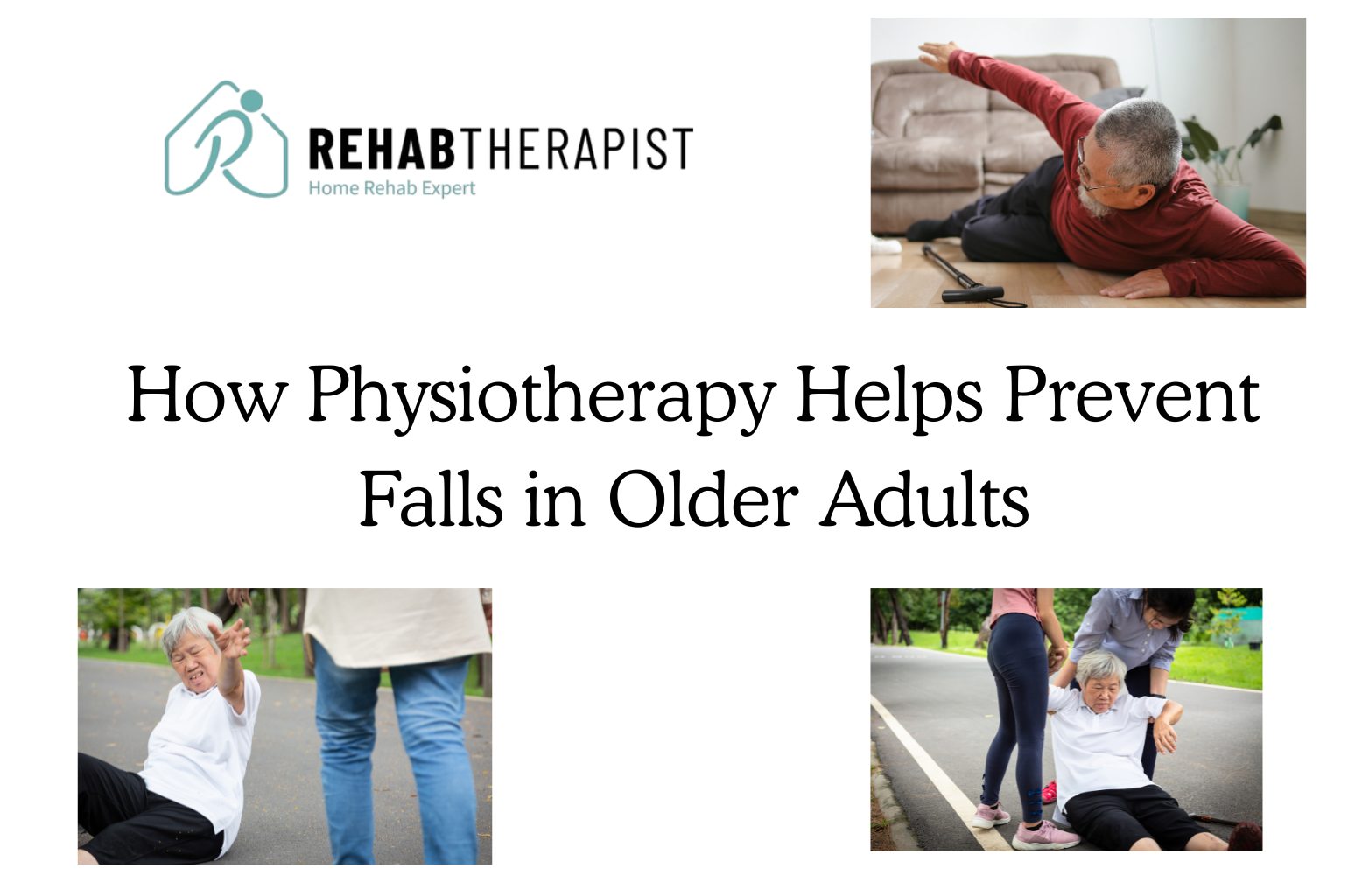
A single slip can alter everything.
For many older people, falling isn’t just a single accident. It can cause anxiety, pain in movement, a decrease in mobility and a rising fear about doing things by themselves. A walk to the kitchen feels less certain. The stairs feel steeper. Even getting out of bed can start to feel like a risk.
This is usually when the cycle gets underway.
In Rehab Therapist, we understand that falls are not caused by a single issue. They usually result from an array of factors including weaker muscles or balance, slower reaction times, changes in the walking patterns, stiffness, neurologic conditions, fatigue or a recovery following an illness or hospitalisation. The good news is that the right physiotherapy support can make a real difference.
Physiotherapy for falls prevention isn’t only the practice of telling anyone to “be cautious.” It’s about identifying the causes of falls as well as improving physical fitness as well as restoring confidence and helping people remain in a safe and comfortable home environment.
What causes falls to become more frequent when you are older
When we get older, our body’s structure changes slowly. Muscles could be weaker. Joints may become stiffer. Balance reactions can slow down. Changes in vision, drug adverse effects, fatigue and prolonged periods of inactivity could be contributing factors to this risk.
For some the reason is more complicated. The causes of Parkinson’s disease, stroke, brain injuries, multiple sclerosis fragility, or general age-related impairment can affect movement and coordination. Others may notice that after a hospital stay or surgery, they simply do not feel as steady as they once did.
A fall could be the result of:
- Balance is not as good
- Muscle weakness
- reduced walking confidence
- Dizziness or unsteadiness
- stiff joints and reduced mobility
- disorders of the brain that affect coordination and control
- unsafe patterns of movement at home
- the fear of falling usually leads to a decrease in activity and a weaker
This is the reason that falls prevention and rehabilitation shouldn’t be approached in a generic method.
What is fall prevention physiotherapy?
Falls prevention physiotherapy is a specialist approach that looks at the whole person, not just the fall itself.
A physiotherapist examines how an individual moves and walks, turns and stands up, moves and manages their day-to-day activities. They seek out the root causes of the instability and develop a treatment program that is practical,tailored to the person’s home environment and goals.
In the case of a Rehab Therapist it could include assistance for seniors who reside at home or in assisted living or in care facilities. It is also beneficial for those recovering from stroke, suffering from Parkinson’s disease, suffering from neurological weakness or feeling less confident due to an illness.
How physiotherapy can help in preventing falls
1. Improving strength where it matters most
Instability in the legs, ankles, hips and the core can make daily moving less secure. Standing up from a chair, climbing stairs, or turning quickly can become harder.
Physical therapy uses specific exercises to increase the strength required to perform daily activities. It is not about intensive fitness classes. It’s about building physical strength that can be used in real-world situations including better walking and standing, and greater control when moving.
2. Improved coordination and balance
Balance is among the main factors involved in preventing falls. If balance reactions are not good even a slight slip or a sloppy turn could cause falling.
A physiotherapist can work on static and dynamic balance through carefully chosen activities. These may include standing balance, weight shifting, stepping practice, turning, reaching, and walking tasks that improve control over time.
For people with neurological conditions, balance rehabilitation may also focus on coordination, posture, and movement quality.
3. making walking easier and safer
Modifications in walking patterns are common among older adults. Some people take shorter steps. Some shuffle, lean or freeze. They can also become unstable in uneven terrains.
Physiotherapy assists in taking a close look at gait and determining what makes walking more dangerous. Treatment may focus on step length, foot clearance, pacing, turning, posture, and the use of mobility aids where needed.
This can be particularly important for those who have disabilities related to stroke as well as Parkinson’s physiotherapy issues or for those with elderly rehabilitation.
4. Reduced fear of falling
Fear of falling is exactly as restricting as the physical issue itself.
After a fall many older adults naturally get more cautious. They tend to avoid walking as often or going out as often, or are more dependent on their companions. Although it is understandable, it often results in more insufficiency, less balance exercise and lower confidence.
The physiotherapy approach can break the cycle. Through guided rehabilitation, patients are able to trust their body. They learn safer strategies, practise movement in a supported way, and regain confidence step by step.
5. Helping recover from an injury
A fall can leave a person feeling shaky, aching and uneasy. Even if there’s not a significant injury, confidence could decrease rapidly.
Falls rehabilitation centers on helping a person recover both physically and emotionally. This could mean restoring movement and strength, regaining the balance and enabling them to return to normal activities in a more secure manner.
Early support can reduce the chance of repeated falls and help prevent long-term decline.
6. Safer living in the home
Sometimes, the most serious risks are not visible. Poor furniture, loose rugs installation, inaccessible bathroom access or transfer around the house can be the cause of falls.
Physiotherapy that is done at home is particularly beneficial because it lets the therapist observe how a person lives and how they move daily. This makes the recommendations more useful and practical.
At Rehab Therapist, home visits allow therapy to be delivered in the place where it matters most. That means exercises, movement practice, and advice can be tailored directly to real-life situations at home.
Who can benefit from falls prevention and rehabilitation?
Falls prevention physiotherapy can help older adults who:
- Have had recently experienced one or more falls
- You may feel unstable when walking
- are less confident about when it comes to moving around the home
- recover from an operation, illness or hospitalization
- are generally weak due to age or the deconditioning
- suffer from Parkinson’s disease or other neurological diseases.
- need support to stay independent for longer
It is also valuable for families who are worried that a loved one is becoming more frail or less safe at home.
The reasons why home-based physiotherapy could be beneficial
The clinic-based therapy may help but for a lot of older people, home-based rehabilitation provides clear advantages.
The person is viewed as normal in their surroundings. The real issues are much easier to recognize. The treatment is more pertinent. For those who are weak or stressed and recovering from illness traveling less can reduce the stress of treatment and make it easier to manage.
Rehab Therapist offers home-based specialist rehabilitation and physiotherapy, with an emphasis on neurological physiotherapy, senior rehab, rehabilitation for stroke assistance for Parkinson’s disease, and prevention of falls. This makes therapy as person-centered and practical and based on what is most important to the person.
Frequently asked questions on falls prevention physiotherapy
Can physiotherapy stop falls among seniors?
Yes, physiotherapy can help reduce the risk of falling by enhancing strength and balance, mobility, control, and ability. It can also help identify the patterns of movement and home risk factors that could contribute to falling.
What kinds of exercises are utilized in physiotherapy to prevent falls?
The exercises are generally specific to each individual. They can include strength exercises as well as balance exercises standing up and walking exercise, stepping exercises and mobility exercises.
Are falls prevention physiotherapy treatments appropriate following a Parkinson’s or stroke diagnosis?
Yes. Physiotherapy to prevent falls is beneficial to people with Parkinson’s disease, stroke as well as other neurological disorders because they can impact coordination, balance, as well as mobility.
Does physiotherapy help an older adult who is afraid of falling but hasn’t been injured yet?
Yes. The benefits of physiotherapy are not just for those who have fallen. It is also beneficial for people who feel weak, unsteady or less confident and problems can be dealt with earlier.
What are the benefits of home physiotherapy to prevent falls?
The physiotherapist at home is able to analyze real-life dangers, movements patterns and furniture layout, transfer and walking routes within the individual’s home. This makes the treatment more effective and practical.
Final thoughts
Falls are commonplace in older adults, however they shouldn’t be regarded as an inevitable event.
With the proper assistance, falls can be avoided. Strength can be increased. The ability to balance can be taught. Walking can be made more secure. It is possible to regain confidence. Most importantly older adults are able to live with greater confidence and peace of thought.
That’s the essence of physiotherapy for falls prevention. It’s not only about the prevention of accidents. It’s about safeguarding the health and quality of life.
If you or someone else in your family is becoming unstable, has suffered a recent accident, or requires assistance for mobility issues at home, a Rehab Therapist can assist with specialized assessment at home, falls prevention and rehab adapted to the specific needs of the person.
Contact Rehab Therapist now to speak with a specialised physiotherapist for neurological issues and discover the appropriate help for safer moving at home.
