
Private Paediatric Physiotherapy in City of London
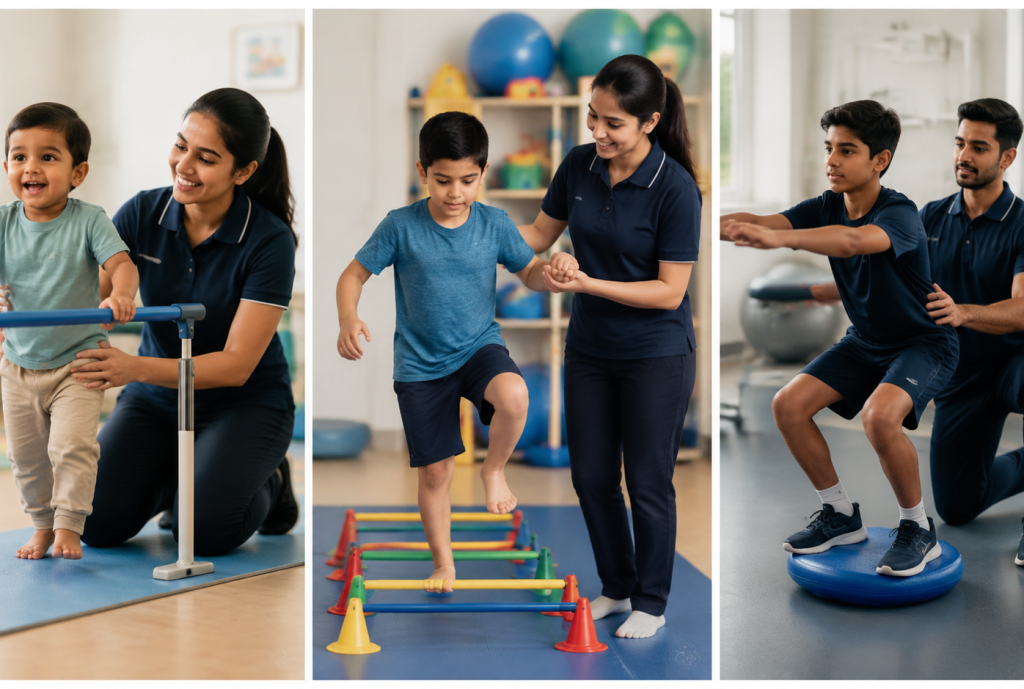
About Children's Physiotherapy in City of London
The City of London is a compact central area with a mix of residential neighbourhoods, busy commercial districts and well-connected communities. Our home-based paediatric physiotherapy service supports babies, children and young people across the City of London, allowing physiotherapy to take place in a familiar environment where everyday movement and activities can be considered.
At Rehab Therapist City of London, our private paediatric physiotherapists provide personalised support for children with a range of developmental, neurological, orthopaedic and mobility needs. A child may need physiotherapy while working towards developmental milestones, improving balance and coordination, recovering following surgery or injury, or developing strength and movement for everyday activities.
Home visits allow physiotherapy to be based around the child’s normal surroundings and routine. Parents and carers can also be involved where appropriate, helping to make exercises and activities easier to continue between appointments.
Our Local Paediatric Physiotherapist serve surrounding areas across City of London, including Aldgate, Aldersgate, Bank, Barbican, Blackfriars, Cannon Street, Cheapside, Farringdon, Fleet Street, Holborn, Liverpool Street, Ludgate Hill, Mansion House, Moorgate, Monument, Old Street, Smithfield, St Paul’s and Temple.
Postcode districts covered: EC1, EC2, EC3 and EC4.
Conditions We Support in City of London
Paediatric physiotherapy may be appropriate for children with developmental, neurological, orthopaedic and musculoskeletal needs. Treatment is based on how an individual child’s movement and everyday activities are affected rather than following the same approach for every child.

Developmental Delay
Stroke Rehabilitation
Cerebral Palsy
Traumatic Brain Injury (TBI)
Down Syndrome & Genetic Conditions
Multiple Sclerosis
Plagiocephaly (Flat Head Syndrome)
Parkinson's disease
Torticollis (Neck Tightness)

Preterm Babies

Neurological Conditions

Neuromuscular Disorders

Developmental Coordination Disorder (Dyspraxia)
Functional Neurological Disorder (FND)
Post-Fracture & Post-Surgery Rehabilitation

Sports Injuries in Children & Teens

Musculoskeletal Conditions
Elderly RehabilitationWho We Support in City of London
Our paediatric physiotherapy service supports children from infancy through to the teenage years. Physiotherapy is adapted according to the child’s development, abilities, physical needs and everyday activities.
Babies & Infants in City of London
Babies may benefit from physiotherapy when they need additional support with early movement, positioning or developmental milestones such as head control, rolling, sitting and early mobility.
Physiotherapy for Toddlers in City of London
Toddlers may need support with delayed walking, balance, strength or the development of everyday movement skills.
School-Age Children in City of London
Physiotherapy can support school-age children experiencing difficulties with walking, mobility, strength, posture, coordination or balance that affect everyday activities.
Physiotherapy for Teenagers in City of London
Teenagers may receive rehabilitation following an injury, surgery, musculoskeletal problem or a period of reduced mobility or physical activity.
Children with Neurological Conditions in City of London
Paediatric physiotherapy may support children with neurological or developmental conditions that affect movement, muscle tone, posture, balance, coordination or mobility.
Children Recovering from Injury or Surgery in City of London
Rehabilitation can support children as they gradually rebuild movement, strength and confidence following fractures, orthopaedic procedures, injuries or periods of reduced mobility.
How Our Children's Physiotherapy Can Help in City of London
Our paediatric physiotherapists use practical, age-appropriate approaches to support children with movement, mobility, strength and developmental needs.
Developmental Skills & Early Movement
We support younger children as they build essential movement skills, including floor mobility, sitting, standing, transitions and early walking.
Gait & Everyday Mobility
Physiotherapy can help identify difficulties with walking and functional movement, with treatment focused on improving control, stability and confidence during daily activities.
Strength, Stability & Physical Control
Individual activities can be used to improve strength, core stability and muscle control, helping children manage movement more effectively during play and everyday tasks.
Coordination & Body Awareness
Therapy may include movement-based and play-led activities that encourage better coordination, balance, spatial awareness and confidence with physical tasks.
Unsteadiness, Trips & Falls
For children who appear unsteady or fall frequently, assessment can help identify movement challenges and guide activities aimed at improving balance and safer mobility.
Reduced Strength or Increased Stiffness
Where weakness, tightness or limited movement affects function, physiotherapy may include carefully selected strengthening, mobility and stretching activities.
Positioning & Postural Support
Advice can be given on positioning, sitting and standing alignment to help children feel more comfortable and better supported during learning, rest and play.
Support for Neurological & Developmental Needs
Children with neurological or developmental differences can receive physiotherapy focused on functional movement, mobility, posture, balance and physical participation.
Recovery Following Injury
After a fracture, sports injury or other physical setback, physiotherapy can help children gradually regain movement, strength and confidence as they return to normal activities.
Rehabilitation Following Surgery
Post-operative physiotherapy can support a safe and progressive return to movement, with exercises adapted to the child’s recovery stage and individual needs.
Activities to Continue at Home
Families may be provided with simple, practical exercises that can be built into the child’s routine to support progress between physiotherapy appointments.
Support for Parents & Carers
Parents and carers can receive clear guidance on handling, exercises and everyday movement strategies so they feel more confident supporting their child at home.
Therapy Examples – What a Session May Include
Paediatric physiotherapy is adapted to the individual child rather than following a fixed routine. The activities used will depend on their age, movement abilities, rehabilitation needs and the skills they are working towards at home and in everyday life.

Babies & Toddlers
Sessions may focus on:
- Encouraging comfortable movement and positioning
- Practising floor-based play and tummy time
- Developing sitting control and stability
- Moving between different positions
- Building confidence with crawling and early mobility
- Practising supported standing and stepping
- Encouraging head and trunk control
- Using play to develop strength and movement skills
Parents and carers are shown practical ways to continue appropriate activities as part of the child’s normal routine.
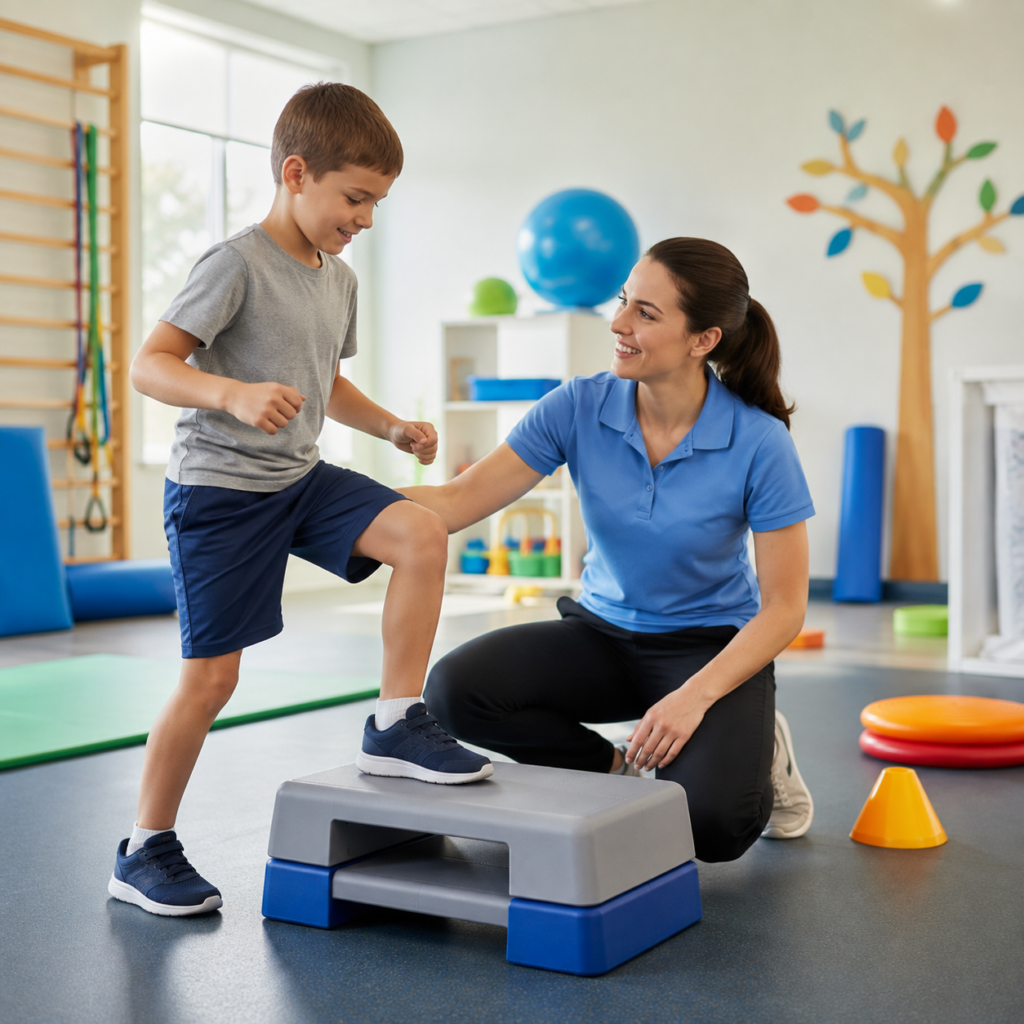
School-Age Children
Physiotherapy may include:
- Activities to develop balance and coordination
- Exercises to improve strength and physical control
- Practising walking and changes in movement
- Activities focused on posture and body awareness
- Everyday movement and mobility practice
- Practising steps, stairs and changing positions
- Developing larger movement and gross motor skills
- Building confidence during physical activities
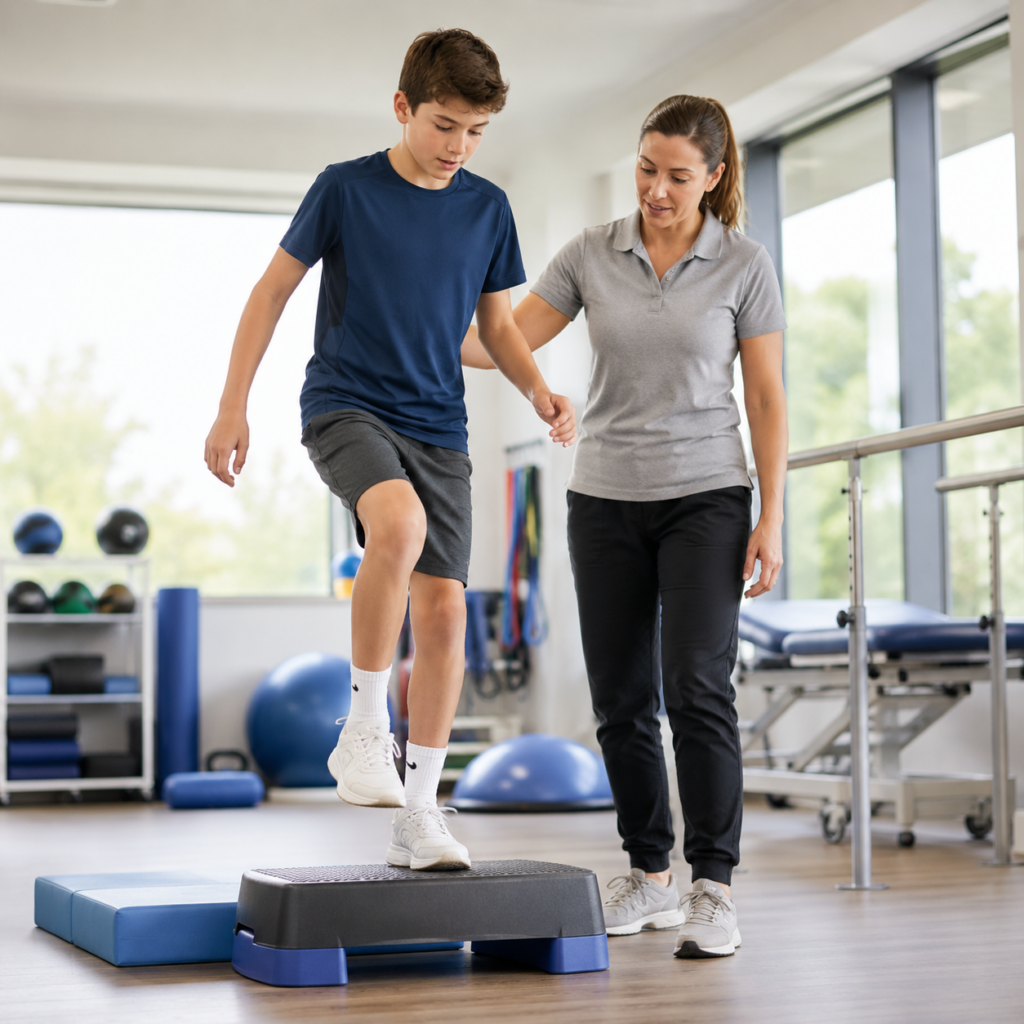
Teenagers, Sport & Rehabilitation
Sessions may involve:
- Progressive strengthening exercises
- Stretching and mobility work
- Exercises following injury
- Rehabilitation following surgery
- Stability, balance and movement-control activities
- Gradually progressed exercise routines
- Practising movements needed for everyday activities
- Supporting a safe, gradual return to usual exercise or sport
Our Service Areas in City of London
We proudly serve the following communities: Click here
- Private Paediatric Physiotherapy in Aldgate | Children’s Physiotherapy in Aldgate
- Private Paediatric Physiotherapy in Aldersgate | Children’s Physiotherapy in Aldersgate
- Private Paediatric Physiotherapy in Bank | Children’s Physiotherapy in Bank
- Private Paediatric Physiotherapy in Barbican | Children’s Physiotherapy in Barbican
- Private Paediatric Physiotherapy in Blackfriars | Children’s Physiotherapy in Blackfriars
- Private Paediatric Physiotherapy in Cannon Street | Children’s Physiotherapy in Cannon Street
- Private Paediatric Physiotherapy in Cheapside | Children’s Physiotherapy in Cheapside
- Private Paediatric Physiotherapy in Farringdon | Children’s Physiotherapy in Farringdon
- Private Paediatric Physiotherapy in Fleet Street | Children’s Physiotherapy in Fleet Street
- Private Paediatric Physiotherapy in Holborn | Children’s Physiotherapy in Holborn
- Private Paediatric Physiotherapy in Liverpool Street | Children’s Physiotherapy in Liverpool Street
- Private Paediatric Physiotherapy in Ludgate Hill | Children’s Physiotherapy in Ludgate Hill
- Private Paediatric Physiotherapy in Mansion House | Children’s Physiotherapy in Mansion House
- Private Paediatric Physiotherapy in Moorgate | Children’s Physiotherapy in Moorgate
- Private Paediatric Physiotherapy in Monument | Children’s Physiotherapy in Monument
- Private Paediatric Physiotherapy in Old Street | Children’s Physiotherapy in Old Street
- Private Paediatric Physiotherapy in Smithfield | Children’s Physiotherapy in Smithfield
- Private Paediatric Physiotherapy in St Paul’s | Children’s Physiotherapy in St Paul’s
- Private Paediatric Physiotherapy in Temple | Children’s Physiotherapy in Temple
Frequently Asked Question
You can also give us a call if you have any questions
Do you provide local paediatric physiotherapy across the City of London?
Yes, Our local home-based private paediatric physiotherapy may be available across the City of London, including areas such as Aldgate, Aldersgate, Bank, Barbican, Blackfriars, Cannon Street, Cheapside, Farringdon, Fleet Street, Holborn, Liverpool Street, Ludgate Hill, Mansion House, Moorgate, Monument, Old Street, Smithfield, St Paul’s, Temple. Please share your postcode when enquiring so we can confirm current local therapist coverage.
Which City of London postcodes do you cover for home visits?
Our City of London coverage includes the EC1, EC2, EC3 and EC4 postcode districts. Availability can vary, so we recommend providing your full postcode when arranging an appointment.
Can physiotherapy take place in my child’s home near Barbican or Liverpool Street?
Where therapist coverage is available, sessions can take place at home in areas including Barbican, Liverpool Street and other parts of the City of London. Home visits allow physiotherapy to focus on movement and activities within the child’s usual environment.
Is home physiotherapy suitable for babies with delayed movement development?
It may be suitable for babies who need additional support with early physical development, including head control, rolling, sitting, crawling or early standing. The physiotherapist will consider the baby’s individual development and needs before deciding on an appropriate approach.
Can you support a child who is struggling with balance or walking?
Yes. Paediatric physiotherapy may be appropriate where balance, coordination, strength or walking difficulties are affecting everyday movement. Treatment is tailored to the child rather than using a standard exercise plan.
Can parents take part in paediatric physiotherapy sessions?
Yes. Parents and carers can be involved where appropriate. The physiotherapist may demonstrate practical activities or exercises that can be incorporated into everyday routines between visits.
Can you provide paediatric rehabilitation after an operation or fracture?
Home-based physiotherapy may be appropriate for children recovering after orthopaedic surgery, a fracture or another injury. Rehabilitation is progressed according to the child’s individual needs, mobility and stage of recovery.
How do I arrange a paediatric physiotherapy home visit in the City of London?
Contact Rehab Therapist with your child’s needs and City of London postcode. Current therapist coverage can then be checked and the appropriate next steps for arranging an assessment can be discussed.
