
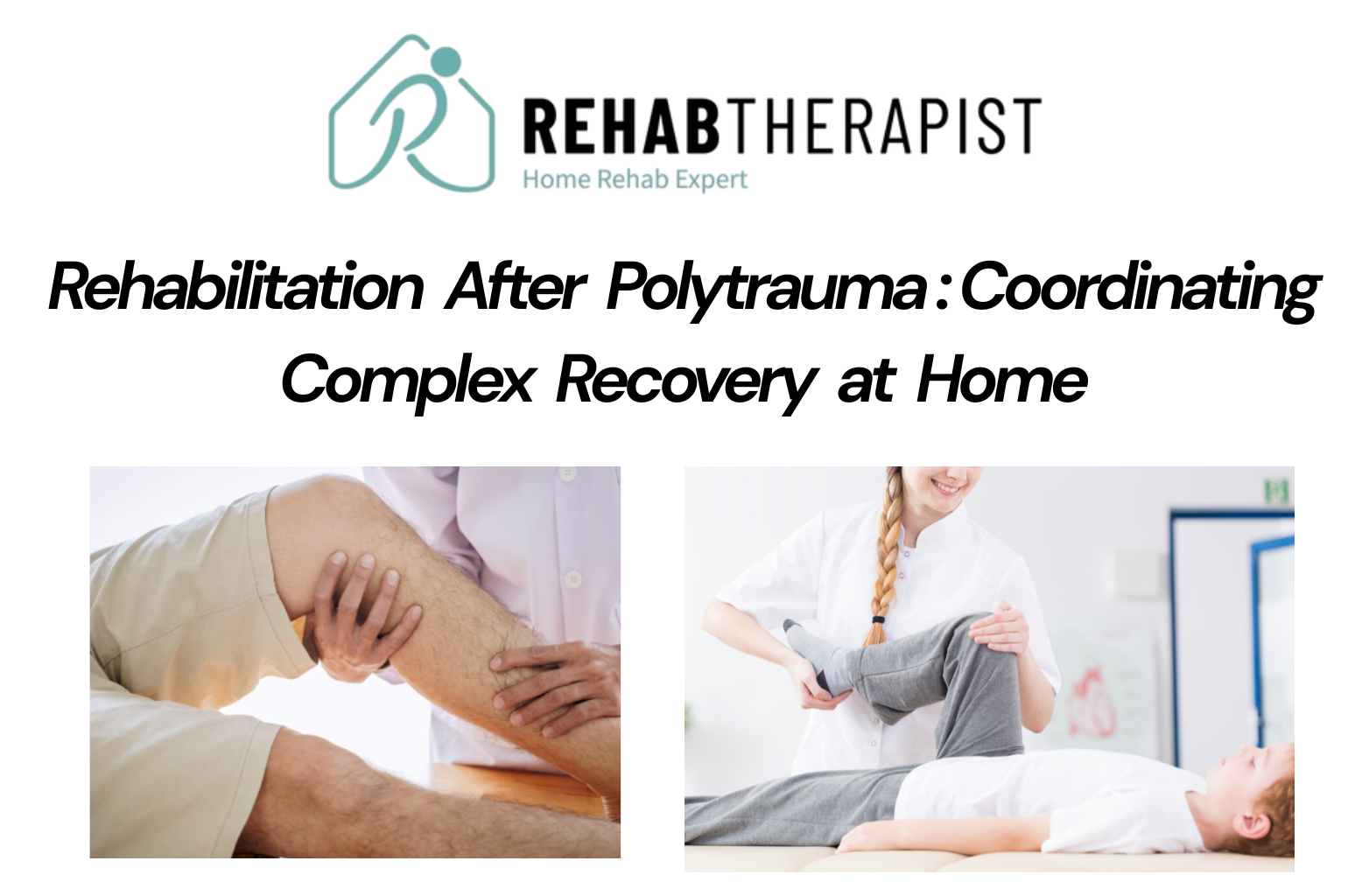
Recovering from polytrauma multiple serious injuries occurring at the same time is one of the most complex rehabilitation journeys a person can experience. For those who are older, recovery can be more challenging because of the aging process’ changes to the strength of muscles and bones’ density, balance and overall resilience. A well-planned and organised home physiotherapy program is essential to returning independence and improving your quality of life.
At RehabTherapist, specialist elderly physiotherapy focuses on safe, personalised, and goal-oriented rehabilitation to support complex recovery at home.
Understanding Polytrauma in Older Adults
Polytrauma can be caused by crashes, road accidents or other serious medical incidents. It can result from fractures or ligament injuries, soft tissue injury and neurological issues, as well as post-surgical needs for recovery. In contrast to single injuries that are a result of polytrauma, it affects several organs and systems of the body, which requires the use of a well-planned and coordinated rehabilitation program.
For patients who are older recovery can be slower. A decrease in muscle mass, slow tissue repair, arthritis pre-existing or balance issues may hinder recovery. If physiotherapy is not properly supported, extended immobility could result in stiffness, muscle fatigue, decreased confidence, and a higher chance of falling.
This is the reason why the early intervention as well as consistent at- home physiotherapy are crucial.
Why Home Physiotherapy Is Crucial After Polytrauma
For many older patients, traveling frequently to clinics is physically exhausting and logistically challenging. The physiotherapy at home offers a number of important advantages:
1. Comfort and Familiarity
The comfort of a familiar environment eases anxiety and encourages more active engagement in therapy.
2. Personalised Functional Training
The physiotherapist can evaluate the way patients move in their home, and can tailor exercises to everyday activities such as climbing stairs, getting into and out of the bed, or walking safely around furniture.
3. Reduced Risk of Setbacks
The reduction in travel time helps reduce fatigue and reduces the chance of a fall or strain when recovering.
4. Family Involvement
Family members and caregivers can actively be involved during the process of rehabilitation by training transfer techniques that are safe and supportive exercises.
Coordinated home rehabilitation ensures that progress continues safely and consistently.
The Importance of a Coordinated Rehabilitation Plan
A successful rehabilitation for polytrauma requires more than just simple exercises. It requires a structured plan monitoring, monitoring, and interaction between medical professionals, patients and their families.
Comprehensive Assessment
A physiotherapist who is a specialist begins by conducting a thorough assessment of strength, mobility and joint range and balance, pain levels along with functional restrictions.
Personalised Goal Setting
The goals could include walking on their own and safely up stairs and regaining confidence after an accident, or returning to activities with friends. Specific goals help to measure improvement and help keep motivated.
Progressive Exercise Programming
Exercises are introduced gradually to build strength and flexibility without over-stressing the tissues in healing. Consistency is prioritised over intensity.
Ongoing Monitoring
The process of recovery isn’t linear. Regular adjustments are made to ensure that exercises are effective and safe. They also ensure that the exercises are aligned with the medical advice.
This unified approach ensures that elderly patients receive a holistic approach to care that is tailored to their individual needs.
Key Physiotherapy Strategies for Elderly Polytrauma Recovery
Strength Rehabilitation
Gentle resistance exercises can help build the muscle mass that is lost during hospitalisation or immobilisation. Stronger muscles increase joint stability and decrease the risk of falling.
Balance and Stability Training
The balance naturally decreases as you advance. Following trauma, instability could get worse. Specific exercises help enhance coordination and confidence movements.
Mobility and Joint Flexibility
Exercises in range of motion can help reduce stiffness and help maintain joint health, particularly following surgery or fractures.
Pain Management
Techniques for positioning, controlled movement and manual therapy are a great way to minimise discomfort while also promoting healing.
Functional Retraining
Therapy is based on real-world movements like sitting in an office chair, safely walking in a straight line, turning and navigating steps.
The combination of these elements provides solid foundations for a long-term recovery.
Safe Home Exercises for Ongoing Progress
In between physiotherapy sessions, a few daily exercises will help you keep going:
- Pumps to increase circulation in the ankle
- Leg raises seated to strengthen legs
- Standing balances that are supported by the standing balance hold
- Gentle arm and shoulder exercises
- Sit-to-stand exercises from a sturdy chair
Regular sessions of short duration are better than irregular intensive exercises. Consistency helps in neuromuscular recovery, muscle building and general confidence.
Preventing Complications During Recovery
If they are not properly rehabilitated, patients who have suffered from complex polytrauma could be prone to complications, such as:
- Loss of muscle
- Joint stiffness
- Risk of falling is increased
- Independence is reduced
- Emotional withdrawal
Home physiotherapy can reduce these risks by promoting secure movement, strengthening and ensuring engagement in everyday routine.
The Emotional Side of Recovery
Physical healing is only part of the journey. After complex trauma, elderly individuals may experience fear of falling again, frustration with slower progress, or reduced confidence.
Compassionate physiotherapy addresses both physical and emotional wellbeing. Gradual achievement of small milestones helps rebuild trust in movement and restores independence.
Family encouragement and professional guidance play a powerful role in this process.
Long-Term Benefits of Specialist Elderly Physiotherapy
In a home-based rehabilitation program that is structured seniors may be able to:
- Strengthening and endurance
- Better balance and reduced fall risk
- Improved mobility and flexibility
- Greater autonomy for daily activities
- Greater confidence and better high-quality of life
Recovery from polytrauma takes patience, time and skilled coordination. A personalised physiotherapy programme ensures that each stage of healing is supported safely and effectively.For specialised elderly physiotherapy and coordinated home rehabilitation after polytrauma, visit RehabTherapist to learn how expert physiotherapy care can support complex recovery in the comfort of your home.
